Hypertension, commonly known as high blood pressure, is a condition in which the force of blood against the walls of the arteries remains higher than recommended over time. Because it often causes no obvious symptoms, many people may have high blood pressure without knowing it.
What Is Blood Pressure?
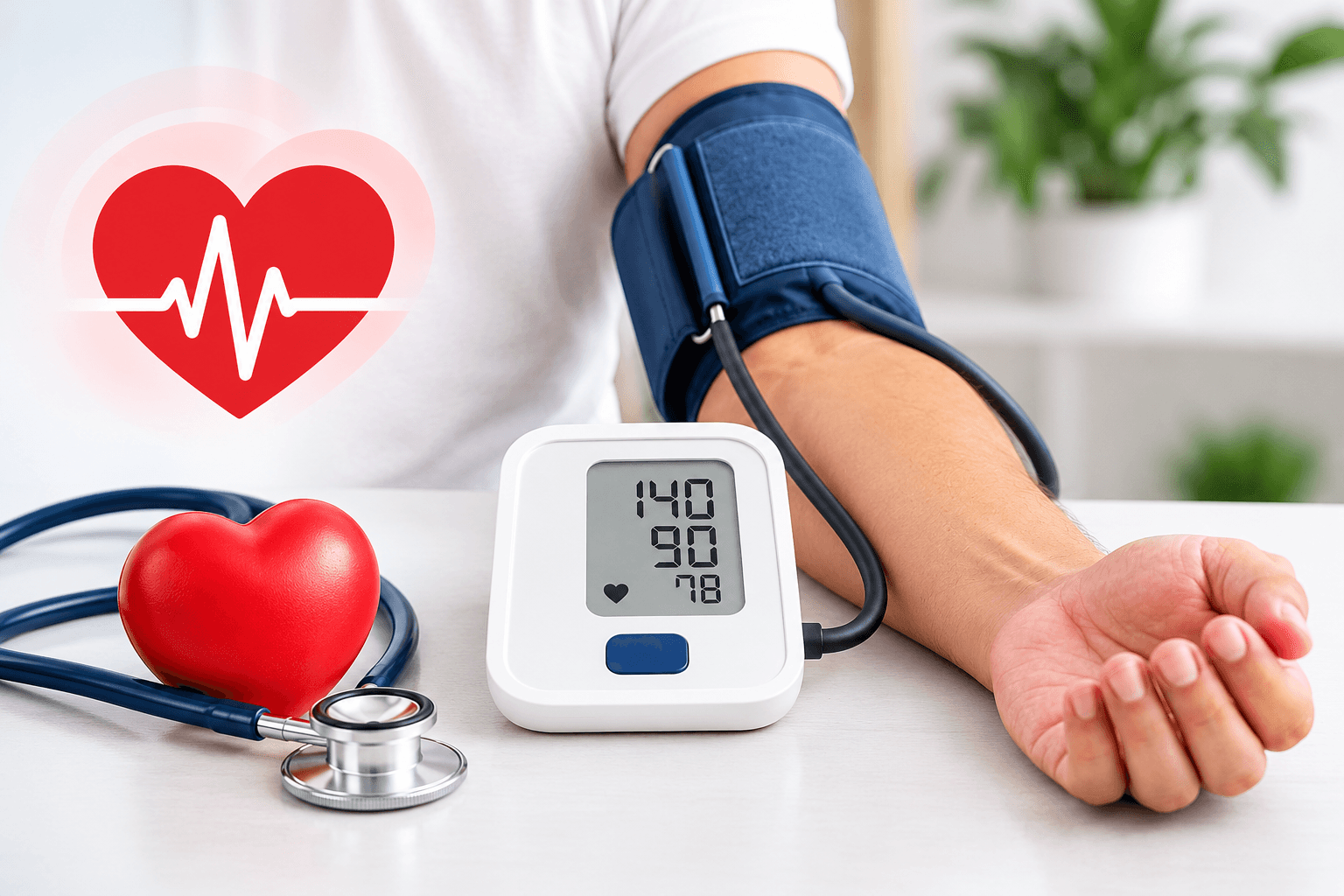
Blood pressure is measured using two numbers: systolic pressure and diastolic pressure. The systolic number represents the pressure when the heart contracts, while the diastolic number represents the pressure when the heart relaxes between beats.
- Regularly monitoring blood pressure can help identify changes early.
- A balanced diet with plenty of vegetables, fruits, whole grains, and other nutritious foods can support cardiovascular health.
- Regular physical activity can help maintain healthy blood pressure.
- Limiting excess salt and highly processed foods may benefit blood pressure management.
- Maintaining a healthy weight and avoiding tobacco can reduce cardiovascular risk.
Why High Blood Pressure Matters
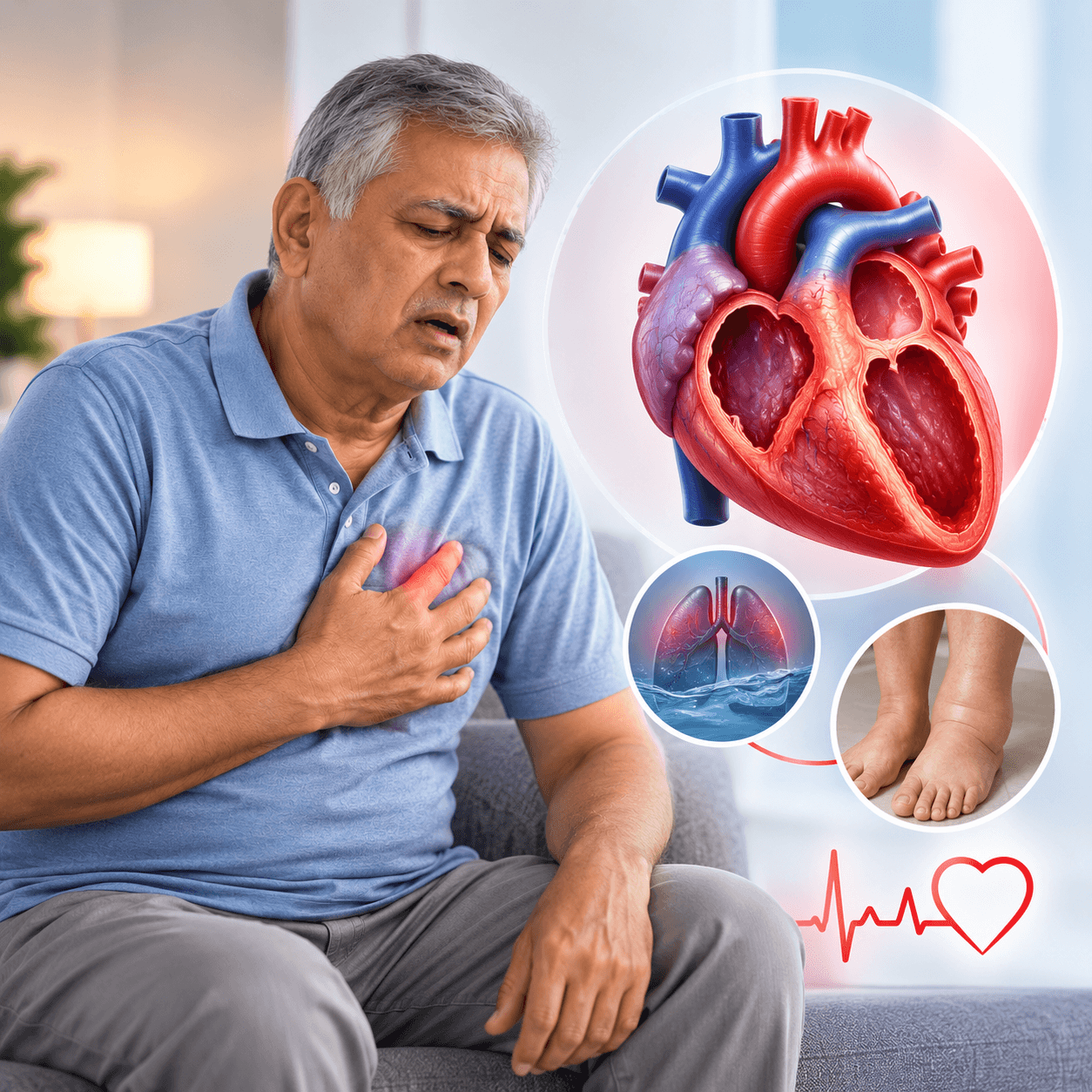
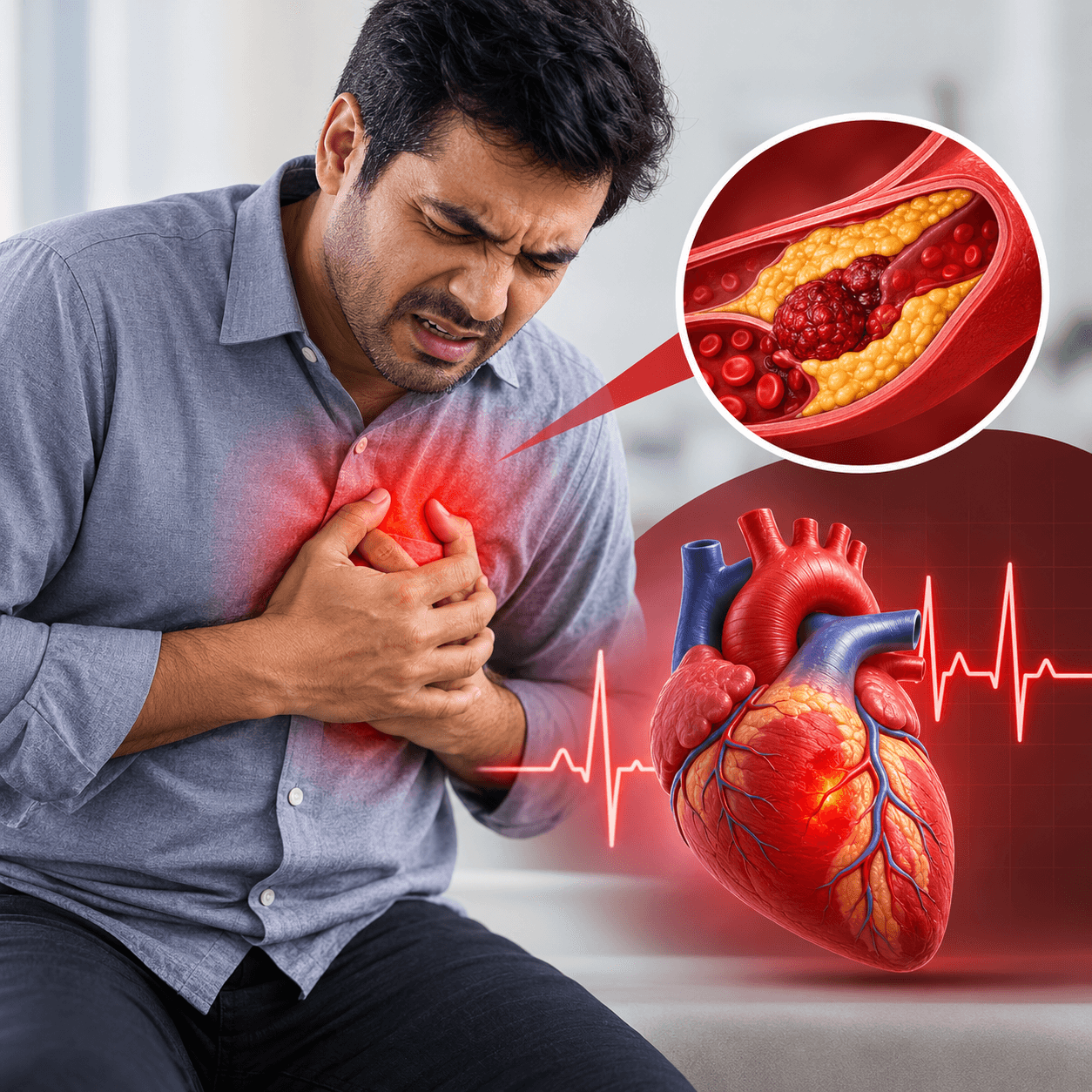
When blood pressure remains elevated for a long period, it can place additional strain on the heart and blood vessels. Over time, uncontrolled hypertension may increase the risk of cardiovascular and other health complications.
Know Your Blood Pressure
High blood pressure may not cause noticeable symptoms. Regular blood pressure checks are therefore an important part of understanding your cardiovascular health.
How Can You Manage Blood Pressure?
- Check your blood pressure regularly and keep a record of your readings.
- Stay physically active with regular moderate exercise as appropriate for your health.
- Choose a balanced diet and be mindful of excessive salt intake.
- Maintain a healthy body weight.
- Avoid smoking and limit other habits that can negatively affect cardiovascular health.
- Take prescribed medications exactly as advised by your healthcare professional.
When Should You Seek Medical Advice?
A single elevated blood pressure reading does not necessarily mean that you have hypertension. However, repeatedly elevated readings should be discussed with a qualified healthcare professional. They can assess your readings, overall risk factors, and medical history and recommend appropriate next steps.
Summary
Hypertension is common and can develop without obvious symptoms, making regular monitoring important. Healthy lifestyle habits, appropriate medical evaluation, and following professional advice can help support better blood pressure control and long-term cardiovascular health.