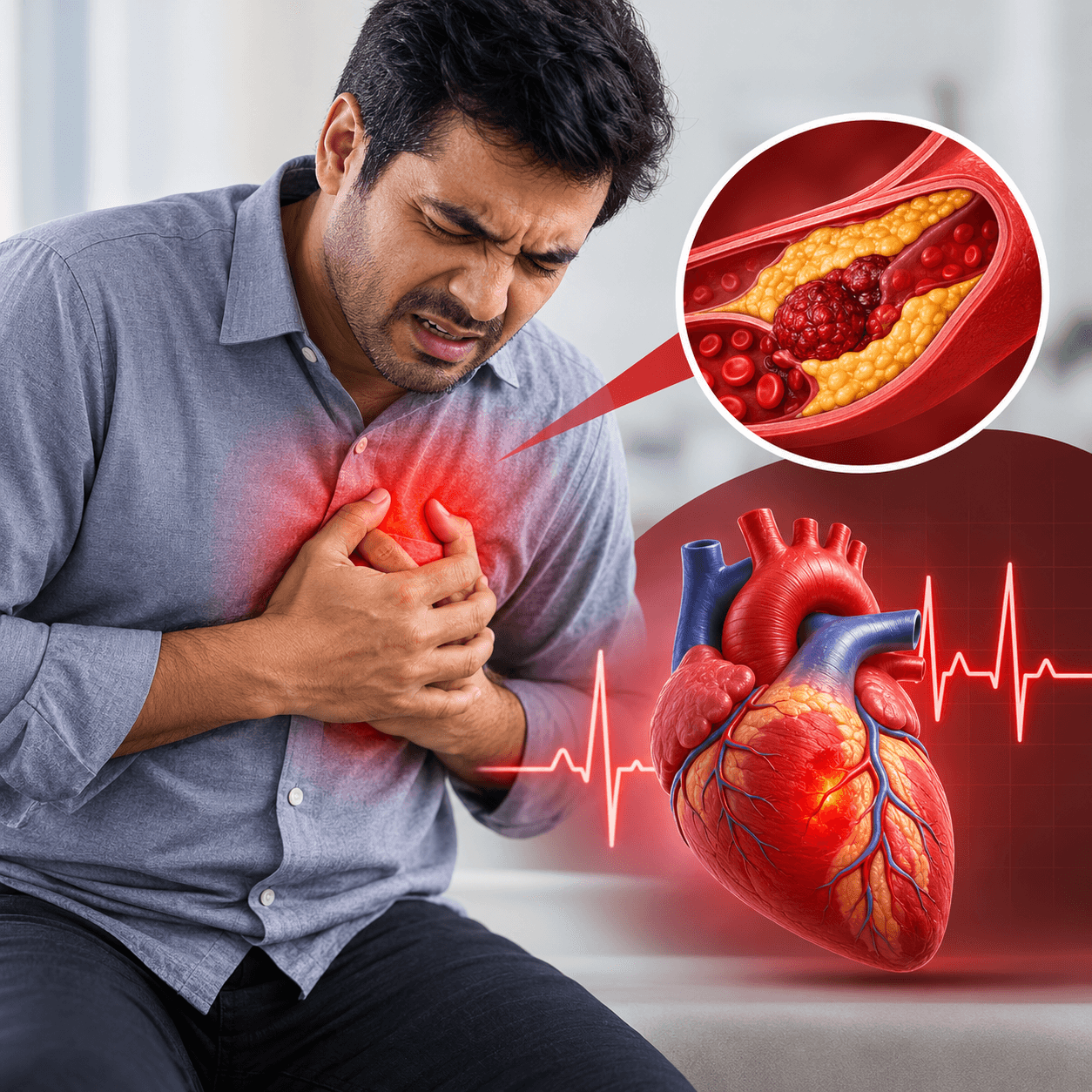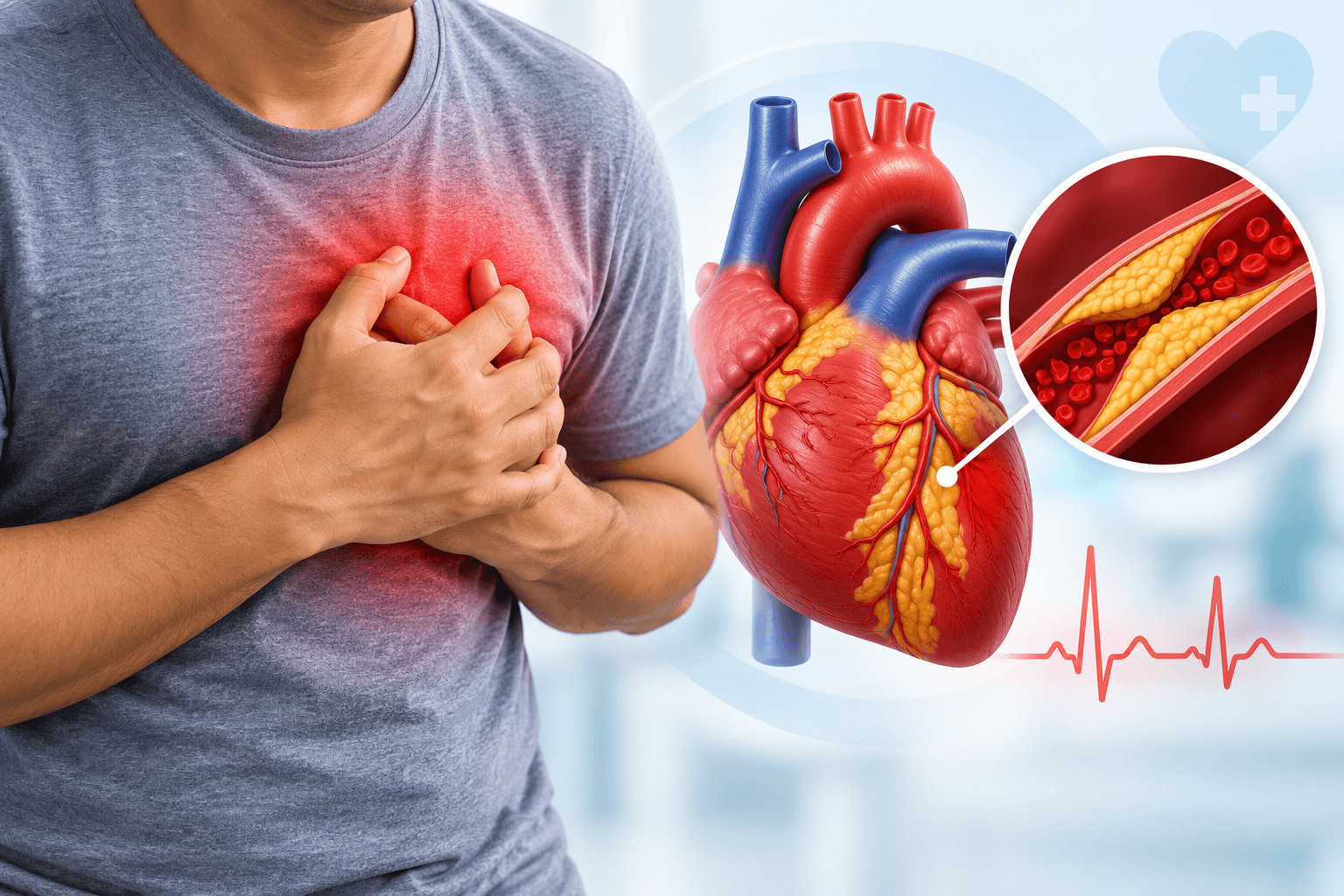
Heart failure is a condition in which the heart is unable to pump blood as effectively as it should. This does not mean that the heart has stopped working. Instead, the heart may be too weak or too stiff to circulate enough blood to meet the body's needs.
What Is Heart Failure?
The heart normally pumps oxygen-rich blood throughout the body. When its pumping ability becomes impaired, the body may not receive enough blood and oxygen. Fluid can also build up in the lungs, legs, ankles, or other parts of the body, leading to common symptoms of heart failure.
Common Causes of Heart Failure
- Coronary artery disease can reduce blood flow to the heart muscle and contribute to heart failure.
- A previous heart attack can damage the heart muscle.
- Long-term high blood pressure can place additional strain on the heart.
- Heart valve problems can affect how efficiently the heart pumps blood.
- Certain heart muscle diseases and abnormal heart rhythms may contribute to heart failure.
- Diabetes and other long-term health conditions can increase cardiovascular risk.
Common Symptoms
Symptoms of heart failure can develop gradually or sometimes appear suddenly. They may become more noticeable during physical activity or when lying down.
- Shortness of breath during activity or at rest.
- Persistent tiredness or reduced ability to exercise.
- Swelling in the feet, ankles, legs, or abdomen.
- Rapid or irregular heartbeat.
- Persistent cough or wheezing, sometimes accompanied by increased mucus.
- Unexpected weight gain caused by fluid retention.
- Difficulty breathing when lying flat.
Medical DisclaimerMedical information on this website is provided for general educational purposes and should not be considered a substitute for professional medical advice, diagnosis, or treatment.